
 Türkçe
 Română
 Русский
 Български
 Nederlands
 Deutsch
 Svenska


Protective Rhinoplasty in Istanbul, Turkey
Protective Rhinoplasty is a groundbreaking approach in aesthetic surgery. Notably, this method preserves the patient’s natural nasal anatomy. Moreover, thanks to this technique, imperfections in the nasal side view are corrected using bone and cartilage taken from inside the nose.
As a result, patients achieve superior outcomes in both aesthetic and functional terms. Additionally, the healing process is accelerated, and pain and swelling are minimized. Thus, protective rhinoplasty enables patients to resume their social lives in a shorter time.
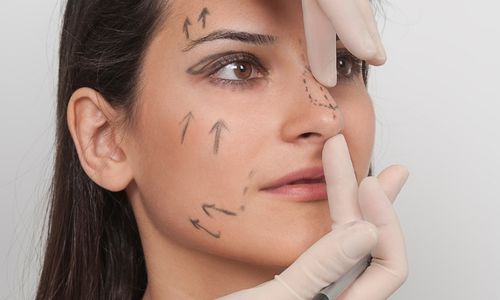
All About Protective Rhinoplasty
Protective Rhinoplasty is an innovative method in the field of aesthetic surgery. With this approach, the patient’s natural nasal structure is prioritized while achieving aesthetic goals.
During the procedure, damage to the cartilage and bone structures of the nose is avoided. Instead, minimal internal interventions are used to attain the desired aesthetic appearance. This technique differs from other methods due to the following characteristics:
- Preservation of the anatomical structure
- Reduced risk of deformity
- Achieving natural and harmonious results
In particular, protective rhinoplasty emphasizes preserving critical tissues such as the perichondrium and periosteum. This speeds up postoperative recovery, allowing patients to return to their normal activities more quickly. Minimal interventions during surgery also reduce pain and swelling to the lowest possible level.
Furthermore, this method does not leave any incision scars on the nasal tip, and the risk of irregularities on the nasal dorsum is reduced. Protective Rhinoplasty offers an ideal solution for patients with different nose types and aesthetic concerns. Its advantages include:
- Rapid recovery period
- Minimal pain and swelling
- No visible incision scars
- Preservation of natural nasal mobility
In summary, Protective Rhinoplasty is a technique that delivers aesthetic and functional improvements in a natural manner, enabling patients to quickly return to social life.
The Application Process of Protective Rhinoplasty (Preservation Rhinoplasty)
Protective Rhinoplasty is one of the advanced techniques offered by modern plastic surgery. With this method, the goal is to achieve a natural nose appearance that matches the patient’s facial symmetry. The procedure is performed under general anesthesia and lasts about 2 to 3 hours. Initially, the surgeon creates hidden incisions inside the nose. Through these incisions:
- Access is gained, reaching the internal structures.
- Curvatures in the septal cartilage are corrected.
- The nasal tip cartilages are shaped.
- If present, any hump or curvature on the nasal dorsum is refined.
Throughout the operation, techniques and instruments focused on preserving the nasal structure are used. At the end of the surgery, nasal tampons are placed to support healing and maintain the new shape. Additionally, special tapes are applied to the nasal bridge to minimize edema and swelling.
The healing phase is usually quick, and most patients can return to daily activities relatively soon. However, surgical success largely depends on the surgeon’s expertise and the patient’s adherence to postoperative guidelines. Protective Rhinoplasty meets both aesthetic and functional needs, offering patients a natural and harmonious nose.
The Recovery Journey After Protective Rhinoplasty
Recovery after Protective Rhinoplasty varies from person to person. Most patients can return to their daily routines about three days after the operation. The stages of recovery are as follows:
- Edema and swelling: Mild swelling and edema are expected, gradually diminishing within the first few weeks.
- Pain: Minimal and easily managed with painkillers.
- Nasal tampons: Inserted for bleeding control and shape maintenance, usually removed within a few days.
- Nasal splint: Worn for several weeks to support healing.
- Scars: No visible external incisions; slight bruising and crusting may occur.

Full recovery takes a few months and requires patience. Following the doctor’s advice, attending regular check-ups, and adhering to care guidelines are crucial for a successful healing process.
Notably, swelling and edema decrease in the early weeks, and pain control requires consistent use of prescribed medication. Retaining the nasal tampons and splint for the recommended duration is essential for optimal healing of the nasal structure.
One of the biggest advantages of Protective Rhinoplasty is the absence of visible incision scars. However, mild bruising and crusting are normal and will heal over time. During this period, patients should remain patient with the healing stages and closely follow their doctor’s recommendations.
Benefits and Possible Limitations of Protective Rhinoplasty
Protective Rhinoplasty provides numerous benefits by improving both the aesthetics and function of the nose. Firstly, this technique allows patients to quickly return to normal life after surgery.
Secondly, only minimal pain and swelling are encountered post-surgery, making the recovery process quite comfortable. Thirdly, since a protective technique is used, there is no incision scar on the nasal tip, thereby reducing aesthetic concerns.
Fourthly, the mobility of the nasal tip is preserved, ensuring a natural appearance. Fifthly, preserving the ligaments prevents potential deformities in the nasal structure.
- Fast Recovery
- Minimal Pain and Swelling
- No Visible Incision Scars
- Preserved Nasal Mobility
- Ligament Preservation
This technique has no known serious disadvantages. However, finding a surgeon who is well-versed in protective rhinoplasty can be challenging, which may limit access for prospective patients. Working with an experienced surgeon significantly increases the likelihood of success.
In conclusion, protective rhinoplasty is considered a major innovation in aesthetic surgery. Through this method, patients can achieve both aesthetic and functional satisfaction. Hence, selecting the right surgeon is critical to the operation’s success.
Key Differences Between Protective Rhinoplasty and Traditional Rhinoplasty
Protective rhinoplasty introduces a new perspective in nose operations. This technique offers aesthetic enhancements without disrupting the patient’s natural nasal structure. In traditional rhinoplasty, excess portions of the nasal dorsum are removed, and the nose is typically narrowed by fracturing the bone.
- Protective rhinoplasty operates with minimal disturbance to the nasal structure, whereas the traditional approach often involves more aggressive interventions.
- With this technique, the curved shape of the nasal profile is corrected using small strips of bone and cartilage removed from inside the nose.
- Patients generally experience a faster recovery process following protective rhinoplasty.
- Pain and swelling are significantly less compared to the traditional method.
- Long-term stability and predictable results make protective rhinoplasty highly popular.
In summary, protective rhinoplasty provides aesthetic and functional enhancements while preserving the nose’s natural structure. Less invasive than traditional methods, it has become a preferred option among patients.
Frequently Asked Questions About Protective Rhinoplasty

What does Preservation Rhinoplasty mean?
Preservation Rhinoplasty is a type of aesthetic nasal surgery that maintains the natural structure of the nose. This method is used to balance and harmonize the nose with the rest of the face. Underlying tissues and nasal structures are kept as intact as possible. While reshaping the nose, a natural appearance is the top priority. The postoperative recovery period is usually faster and more comfortable. This method is part of modern surgical techniques.
What is dorsal preservation rhinoplasty?
Dorsal preservation rhinoplasty is carried out without damaging the nose’s natural cartilage and bone structure. This technique corrects a curved nasal side profile. The let-down method involves removing strips of bone and cartilage from inside the nose, thus preserving the nasal dorsum’s natural integrity. It also offers aesthetic advantages and typically involves a quicker, more comfortable recovery.
What is dorsum protective rhinoplasty?
Dorsum protective rhinoplasty is a procedure in which the hump on the nasal dorsum is corrected without physically cutting it off. In this method, the dorsal hump is shifted inward without removing bone or cartilage, achieving an aesthetic look while preserving the patient’s natural nasal framework. Consequently, the operation is less invasive, and the healing process is faster and more comfortable. Dorsum protective rhinoplasty is considered a modern and popular technique in nasal surgery.
How much does protective nose surgery cost?
Click here for information on Rhinoplasty prices.
Photos of People Who Had Rhinoplasty


Blog Posts

Fleshy Nose: Characteristics, Causes, and Rhinoplasty Options
Prof. Dr. Murat Topdağ - Rhinoplasty - Fleshy Nose: Characteristics, Causes, and Rhinoplasty OptionsA fleshy [...]
16
Dec
Dec

Narrow Nose: Causes, Features, and Rhinoplasty Options
Prof. Dr. Murat Topdağ - Rhinoplasty - Narrow Nose: Causes, Features, and Rhinoplasty OptionsA narrow [...]
16
Dec
Dec

Flat Nose: Causes, Characteristics, and Rhinoplasty Options
Prof. Dr. Murat Topdağ - Rhinoplasty - Flat Nose: Causes, Characteristics, and Rhinoplasty OptionsA flat [...]
16
Dec
Dec

Roman Nose: Characteristics, Features, and Rhinoplasty Options
Prof. Dr. Murat Topdağ - Rhinoplasty - Roman Nose: Characteristics, Features, and Rhinoplasty OptionsThe Roman [...]
16
Dec
Dec

Nubian (African) Nose: Characteristics and Rhinoplasty Options
Prof. Dr. Murat Topdağ - Rhinoplasty - Nubian (African) Nose: Characteristics and Rhinoplasty OptionsThe Nubian [...]
16
Dec
Dec

Greek Nose: Characteristics, Features, and Rhinoplasty Options
Prof. Dr. Murat Topdağ - Rhinoplasty - Greek Nose: Characteristics, Features, and Rhinoplasty OptionsThe Greek [...]
16
Dec
Dec

Upturned Nose: Characteristics, Causes, and Rhinoplasty Options
Prof. Dr. Murat Topdağ - Rhinoplasty - Upturned Nose: Characteristics, Causes, and Rhinoplasty OptionsAn upturned [...]
16
Dec
Dec

Aquiline (Eagle) Nose: Characteristics and Rhinoplasty Options
Prof. Dr. Murat Topdağ - Rhinoplasty - Aquiline (Eagle) Nose: Characteristics and Rhinoplasty OptionsThe aquiline [...]
16
Dec
Dec