
 Türkçe
 Română
 Русский
 Български
 Nederlands
 Deutsch
 Svenska


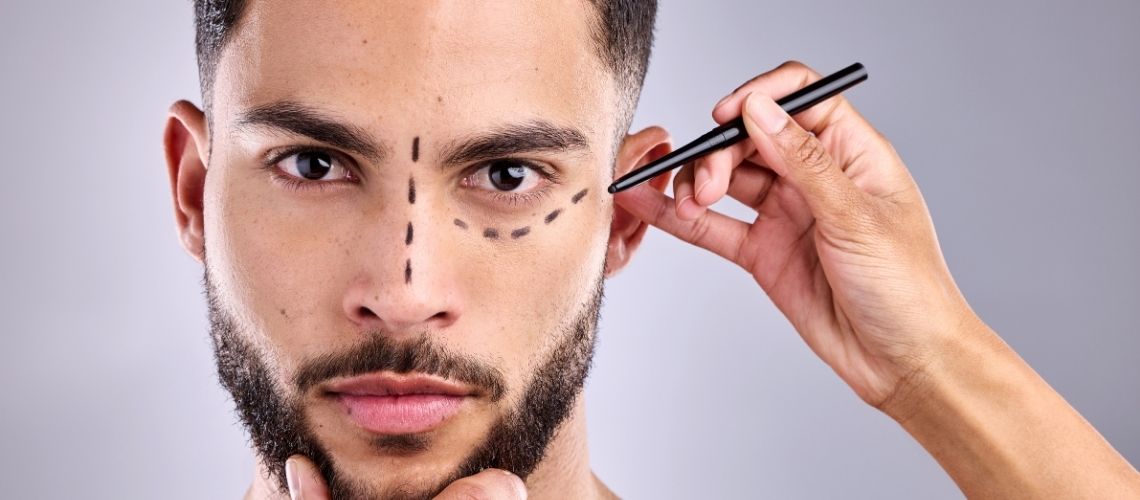
Nose reduction surgery is of great importance for facial aesthetics. This operation is performed to make the facial proportions more balanced. However, the main goal here is not only aesthetic but also functional. When performed by professionals, both aesthetic and functional problems can be resolved. Therefore, the surgeon’s experience is a critical factor in the success of the operation. During the operation, the health of the airway is prioritized. This procedure is customized to each patient’s needs, taking into account the characteristics of the nasal skin.
Goals and Methods of Nose Reduction Surgery
Nose reduction surgery offers both aesthetic and functional improvements. Also known as rhinoplasty, this surgical procedure aims to improve facial proportions, thereby enhancing the individual’s overall appearance. At the same time, it seeks to increase breathing capacity to improve quality of life. The main areas of focus in the operation are:
- Creating a nose size and shape in harmony with the facial features.
- Facilitating breathing by improving nasal function.
The techniques applied by the surgeon during the procedure vary depending on the patient’s existing nasal structure and wishes. It basically involves reshaping the nose’s cartilage and bones. The process details are as follows:
- Cutting or reshaping cartilage and bones.
- If necessary, the nasal bone is cut.
- Cartilage is altered or removed to achieve a new form.
- Missing areas are filled with suitable materials to accentuate the nasal contours.
While these steps lead to a more aesthetic appearance of the nose, they also help alleviate any airway issues. The post-operative phase aims for the individual to adapt to the new nasal structure and be satisfied with the results. Rhinoplasty not only enhances external appearance but also optimizes nasal functions, thus offering significant benefits both aesthetically and in terms of health.
Under What Conditions Is Nose Reduction Surgery Performed in Children?
Nose reduction surgery for children is planned with consideration for the growth process of the face and nose. For girls, this process usually completes around age 17, while the age limit for boys is set at 18. These ages indicate that the facial structure is largely matured and growth has ended. However, each child’s developmental stage may vary:
For Girls:
- Ages 17 and older are generally considered appropriate.
For Boys:
- Ages 18 and older are viewed as a more suitable period for surgery.
These age limits ensure that children have reached a stable stage both physically and aesthetically. Moreover, in certain cases, such as trauma or congenital conditions, these limits may be adjusted. Aside from these situations, waiting until full development is recommended for the best outcomes of nose reduction surgery in children. Surgeons assess each patient’s individual needs while balancing health and aesthetics. Consequently, when deciding on surgery, they also consider whether the child is both physically and psychologically ready, and input from the family is also important.
How Is Nose Reduction Surgery Performed in Women?
In women, nose reduction surgery is planned to align with the delicate contours of the face. The female-specific aesthetic concept is considered at each step, and the nose size and shape are revised. During the operation, ensuring the nose is compatible with the facial proportions and unique characteristics is crucial. Therefore, a thorough analysis of the facial structure is conducted prior to the procedure.
- Facial Structure Suitability: Every woman’s face is unique, and aesthetic operations must be personalized.
- Fine and Delicate Lines: Typically, fine and delicate features are preferred in a woman’s face; this forms the foundation of the nose aesthetics.
- Balanced Proportions: A harmonious balance with other facial features is essential.
Facial features such as cheekbones and jaw structure significantly impact the nose design. Especially for women with prominent features, it is crucial that the nose size suits the face. This helps achieve aesthetic balance during nose aesthetics. It is not just about making the nose smaller; ensuring a design in harmony with the other facial components is also key. Hence, a surgical intervention is more than a technical procedure – it is considered an art form. The surgeon’s creativity and expertise play a vital role in achieving aesthetic integrity. During this process, the patient’s expectations and the unique attributes of her face are the main factors shaping the outcome.
What Are the Characteristics of Nose Reduction Surgery in Men?
For men, nose reduction surgery is performed while preserving the masculine traits of the face. During this operation, the surgeon focuses on aligning the nose structure with other facial features. The details of the procedure are carefully planned, aiming to strengthen a masculine expression. The nose is arranged to have ideal proportions aesthetically and functionally.
Nose Length and Tip:
- The length is adjusted to suit the overall facial dimensions.
- The nasal tip is shaped so that it is neither excessively upturned nor too low.
General Proportions:
- The nose width should match the width of the face.
Nasal Base and Nostrils:
- The nasal base is kept proportionate to the lower part of the face.
- The size of the nostrils is adjusted to meet functional needs.
With these adjustments, male patients gain more pronounced, masculine facial lines. After the surgery, the nose presents a more balanced aesthetic in harmony with the rest of the face. Also, procedures designed while accounting for breathing functions enhance the patient’s quality of life. Nose reduction surgery in men sharpens facial features and can further bolster personal confidence.
What Are the Characteristics of Nose Reduction Surgery in Older Adults?
In older adults, nose reduction surgery aims to adapt to age-related facial changes. Because of decreasing skin elasticity and evolving facial contours over time, meticulous attention is required in planning this operation. The surgeon focuses on shaping the nose in alignment with the facial structure while maintaining a natural look. Additionally, for older adults, such operations can be important for supporting and improving breathing function. The surgery is carefully customized to the patient’s current health condition and specific needs.
Some key aspects to consider in nose aesthetics for older adults include:
- Facial Structure Alignment: The nose should be shaped in accordance with current proportions and contours altered by aging.
- Functional Improvements: The surgery should be planned to help alleviate common breathing difficulties seen in older patients.
- Health Status Evaluation: The patient’s overall health is a key factor in determining the type and extent of the operation.
All these factors are balanced to meet both the patient’s aesthetic expectations and their health needs. Hence, nose reduction surgery for older adults can offer both aesthetic and functional benefits, boosting their quality of life.
How Is Nose Reduction Surgery Performed?
Nose reduction surgery is a complex process aiming for aesthetic and functional improvements. The procedure is carefully planned to fit the patient’s facial structure and breathing requirements. Known as rhinoplasty, this procedure can be performed with two main techniques: open and closed.
Open Technique:
- In this method, the surgeon makes a small incision at the nasal tip.
- The incision allows for clearer visibility of the nasal structure.
- Ideal for correcting complex deformities.
- Gives the surgeon greater control during the procedure.
Closed Technique:
- Incisions are made inside the nostrils.
- No external scarring is visible from the outside.
- Preferred for milder corrections.
- Although the surgeon’s field of view is limited, it offers a faster recovery period.
Both techniques require expertise, and the complexity of the operation depends on the chosen method. The open technique is best for complicated corrections when the nose structure requires more comprehensive modifications. The closed technique is used when less intervention is needed and when avoiding external scars is a priority.
The duration of surgery depends on the complexity and the procedure details but generally lasts two to four hours. Rhinoplasty is performed under general anesthesia, and patients typically stay in the hospital for a day afterward.
The patient’s recovery process is managed according to the surgeon’s instructions. Careful post-operative care and monitoring reduce the risk of complications and enhance the chance of success. Thus, communication between the patient and the surgeon is crucial during this period.
What Are the Risks of Nose Reduction Surgery?
Nose reduction surgery carries various risks that may differ for each patient. Because the operation is done under general anesthesia, anesthesia-related side effects can occur. As with any surgical intervention, there is also a risk of infection and bleeding. During the recovery period, several complications may arise:
- Internal crusting
- Loss of sensation
- Skin hardening
- Discoloration
- Swelling
- Pain
- Scar tissue formation
To minimize these risks, patients should choose an experienced surgeon. The surgeon will inform the patient about all these potential risks beforehand and take all necessary measures. The patient’s health and medical history also play an important role in determining these risks, making a thorough medical evaluation before surgery essential. After the operation, it is critical that patients meticulously follow all instructions and attend routine check-ups to detect and address any complications early on. Moreover, unexpected issues may occur after any surgery, so clear communication channels between the patient and the surgeon are vital. This ensures both parties are well-informed and prepared at every stage.
What Should Be Followed After Nose Reduction Surgery?
Following a nose reduction surgery, patients require attentive care to speed up the healing process and minimize complications. The measures taken during this period directly influence the success of the surgery. Therefore, post-operative instructions must be carefully adhered to.
First Days After Surgery:
- Protect the cast applied to the nose from getting wet.
- Apply cold compresses regularly around the eyes.
It is recommended that the patient rest with the head elevated for the first five days following surgery. Avoiding strenuous physical activity during this time also promotes better healing. Moreover, excessive facial expressions should be kept to a minimum.
Sutures and Facial Care:
- After procedures done with the open technique, sutures are usually removed by the doctor within 7 to 10 days.
- Clean the nasal skin gently, and avoid irritating products.
Swelling and bruising may last a few days. During this time, it is crucial to clean and protect the face gently.
Recommendations for the First Three Weeks and Sixth Week:
- Avoid clothing or activities that could risk impact for the first 3 weeks.
- For six weeks, protect the nose from heavy impact and use lighter glasses.
Sun protection is essential for up to six months. Protecting the nasal skin from harmful sun exposure helps ensure a faster recovery. Additionally, it is advisable to avoid very hot environments to maintain the skin’s sensitivity.
Such precautions help patients achieve optimal results both aesthetically and health-wise. The recommended steps should be meticulously implemented, supported by specialist doctors’ advice.
How Long Is the Recovery Period After Nose Reduction Surgery?
The recovery period following nose reduction surgery varies depending on the patient’s skin structure. Typically, this is a time-consuming process requiring patience. The swelling and edema that develop after surgery may subside at different rates in different areas of the face.
Within the First Three Days:
- Cold compresses around the eyes are recommended to reduce swelling.
- During this time, swelling around the nose is at its highest.
Between the fifth and seventh day, a noticeable reduction in swelling is observed. Edema gradually subsides during this period, and the face starts to reveal clearer contours. At the first check-up around day ten, the majority of the healing is usually complete.
For the First Two Months:
- Avoid using glasses that may press on the face.
- Throughout the healing process, edema in the area near the eyebrows and nasal tip decreases.
For individuals with thin skin, complete healing is typically achieved within six to twelve months, while for those with thick skin, it may take one to two years. These differences stem from skin thickness and the body’s natural healing capacity.
Adhering to the doctor’s recommendations is crucial for speeding recovery and attaining the best possible outcome. Rhinoplasty is not solely an aesthetic improvement but also contributes to overall health and quality of life. A carefully managed recovery period boosts the operation’s success and maximizes patient satisfaction.
How Is a Large Nose Reduced?
Many people opt for nose reduction surgery to balance their facial features. During this surgical procedure, specialist surgeons first carefully analyze the patient’s facial structure. Then, based on the individual’s needs, they create a surgical plan. Various techniques are employed to achieve both aesthetic and functional goals:
- Excess bone and cartilage on the nasal bridge are corrected.
- The nasal tip is shaped and, if necessary, lifted.
- Any internal deviations or enlarged turbinates are also addressed.
After the operation, a natural harmony is achieved in the patient’s face, improving aesthetics in both profile and frontal views. As a result, patients can experience easier breathing and greater satisfaction with the aesthetics. This meticulous intervention creates a harmonious look with the other parts of the face.
Frequently Asked Questions

How much does nose reduction surgery cost?
Click here for information about nose aesthetics prices.
Can a fleshy nose be reduced?
Yes, a fleshy nose can be reduced. For this type of nasal structure, surgical techniques are generally used. Surgical procedures remove excess nasal tissue and reshape the nose to create a more aesthetic appearance. In particular, nasal tip corrections help a fleshy nose appear slimmer and in better proportion. Non-surgical methods usually provide temporary or less noticeable changes. Therefore, for those who want a permanent, more prominent change, surgery is recommended.
Will the nose grow back after nose reduction surgery?
The nose does not grow back after nose reduction surgery because the changes made are permanent. However, certain factors can lead to alterations in the nose’s size over time. For instance, the nature of the skin and the ability of the skin to adapt during recovery can affect the nasal appearance. Also, radiofrequency treatment on the turbinates might lead to turbinate enlargement. Such conditions can cause changes in the nose size over time, particularly in allergic individuals.
Is a nose reduction operation different for men?
Yes, nose reduction surgery differs for men. Men’s skin is thicker and oilier, so the visual impact of changes may not be the same as in women. Hence, a man’s nose is typically reduced less dramatically than a woman’s. Surgical methods are tailored to the gender, employing approaches specifically designed for male patients.
Are non-surgical nose reduction methods effective?
Non-surgical nose reduction methods cannot physically decrease nose size; they can only alter the nose’s shape temporarily. Dermal fillers, such as hyaluronic acid, can smooth out nasal bumps or lift the nasal tip. They can also be used to make a mildly curved nose appear straighter, and the effect usually lasts about six months. Therefore, those seeking a permanent or more significant alteration may find surgical methods more appropriate, while these non-surgical methods may suffice for minor improvements.
Photos of People Who Had Rhinoplasty


References:
https://my.clevelandclinic.org/health/treatments/11011-rhinoplasty
https://www.nhs.uk/conditions/cosmetic-procedures/cosmetic-surgery/nose-reshaping-rhinoplasty/




Vakalar
Our location on the Asian side of Istanbul, Turkey